



General Motors Commits to an All-Electric Fleet
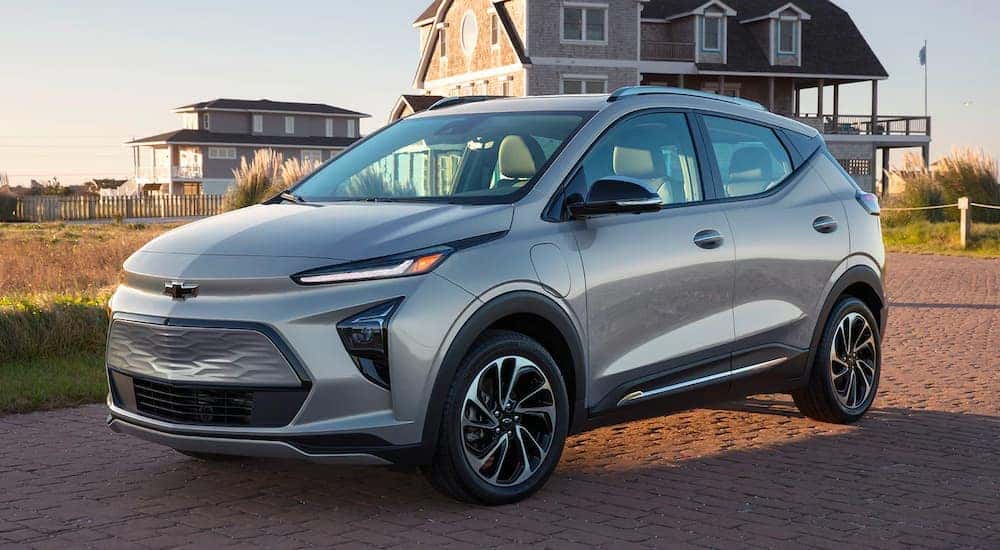
General Motors’ very public march to an all-electric future starts with the planned Chevy EV lineup, consisting of the 2022 Chevy Bolt EV and 2022 Chevy Bolt EUV crossover. With these vehicles, GM takes its next step to a new era: a commitment to only building electric cars by 2035. Given that General Motors is among the largest automobile manufacturers on the planet, this announcement understandably sent ripples through the industry.
It’s also a big short-term gamble because presently, EV sales in the United States equal roughly 2% of all vehicles sold. Buying trends suggest that when given a choice, most American car buyers will opt for a gas-powered model. It begs the question: is the general car-buying public ready to embrace electric vehicle technology? If not, what exactly is at the root of their resistance?
If it’s a lack of confidence, it may stem from the higher price tag associated with alternative fuel vehicles, but consumers are also wary of driving range restrictions and the learning curve. The mistaken belief that acquiring the technological know-how required to own, charge, and operate an EV is challenging is a big barrier that automakers need to help buyers overcome. The good news is, Chevy’s robust dealer network is the perfect antidote to buyer hesitancy because dealers can interact one-on-one with buyers, train them on EV ownership, and act as an ongoing community resource for any lingering concerns.
Generous Federal tax credits have largely fueled EV sales thus far, but those credits are only available until manufacturer unit sales hit 200,000 (they’ve already expired on GM and Tesla models). When the tax credit evaporates, manufacturers need to be prepared to lower base prices to make them more affordable to mainstream buyers. The fact is that EV technology is still emerging, and buyers need incentives to give it a try.
Here’s where General Motors – and, by extension, Chevrolet – has a huge advantage over other manufacturers. Thanks to quantum leaps in battery design and manufacturing technology, the company stands to beat every other manufacturer to the market with a fleet of EVs that are affordable, easy to drive, and deliver in spades on driving range.
Let’s take a look at all the good EV news coming out of General Motors, beginning with the recently revealed 2022 Chevy Bolt EV redesign and the larger, all-new 2022 Chevy Bolt EUV. These two models are the first step towards an affordable electric future, with the 2022 Bolt EV starting at $31,995 despite offering the same performance as the 2021 Bolt EV at $36,500. And in an era where car prices go up every year, the 2021 Bolt EV already had a small price decrease over the 2020 model.
Ultium Battery Technology
The Ultium battery is at the center of GM’s strategy, and it’s unique due to its flat, stackable architecture (think: pancakes). It’s a structure that allows stacking or daisy-chaining a series of individual batteries together, compounding power and range in the process. This process gives manufacturers more leeway to increase both performance and capabilities without adding bulky weight or compromising safety and handling.
Currently, GM reports that its Ultium battery packs range from 50 kWh to over 200 kWh. This would allow the company to benefit from economies of scale across its entire lineup by using different versions of the same core technology. The Ultium battery can be stacked both vertically and horizontally, giving designers plenty of flexibility to design high center-of-gravity vehicles or low-riding high-performance cars, as well as everything in-between. And remember, EVs don’t have gas tanks, exhaust pipes, or other traditional engine components, which leaves more room for features like extra storage or more interior cabin space.
Rumor has it that EV batteries will follow the same cost trajectory as other recent technological advancements, like flat-screen TVs and laptops. Thanks to annual cost-saving achievements of up to 90%, these batteries continue to cost less to build. That savings eventually makes its way to the consumer in the form of lower MSRPs. That’s why the upcoming Chevy EV models are so exciting.
The 2022 Bolt EV and EUV
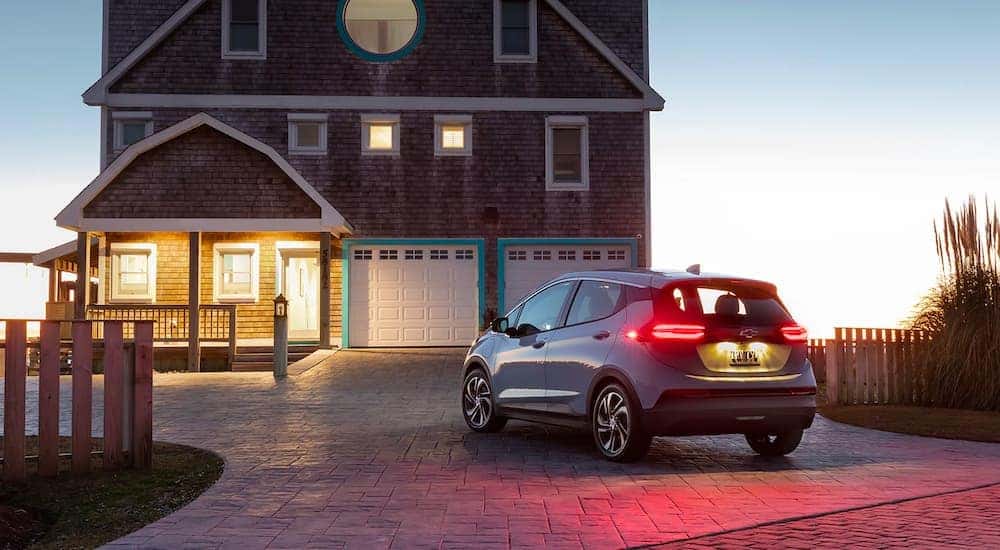
However, the Ultium battery technology is still in the future – the recently revealed 2022 Bolt EV and Bolt EUV continue to use GM’s legacy battery architecture. However, these two related vehicles mark an essential step toward making EVs an affordable alternative to gasoline vehicles rather than a niche product.
On top of their much lower prices, the 2022 Bolt models have adopted more mainstream styling, dropping some of the unique “electric” look of the previous generation for something that wouldn’t look out of place on a gasoline car. While early adopters and EV enthusiasts may have liked standing out, broader adoption of EVs hinges on gaining acceptance from the general driving public. To gain traction with the everyday driver, EVs need to become more familiar, and GM is doing exactly that.
The all-new 2022 Bolt EUV is another important step. While the Bolt EV is a highly practical hatchback design, SUVs are a much more popular vehicle type here in the United States. Measuring six inches larger than the Bolt EV, the new Bolt EUV is an important step towards moving EVs into the much more popular SUV market segment. GM is also known to be working on a larger electric SUV that we can expect to supplement the Bolt EUV in the coming years. As the EV lineup expands, GM’s promise of an all-electric fleet draws closer.
Features and Range
There is one place where the 2022 Bolt EUV punches well above its weight. GM has confirmed that its newest EV model will offer Super Cruise, a hands-free self-driving cruise control system that works on designated highways across the country (at the time of publication, some 200,000 miles of highway across the country are available for Super Cruise use). Super Cruise was originally developed for the most luxurious Cadillac models, and this is the first time it has appeared on a Chevy. Not only is this feature extremely convenient, but it also helps position the Bolt EUV as a serious contender against the market-leading Tesla models with their Autopilot feature.
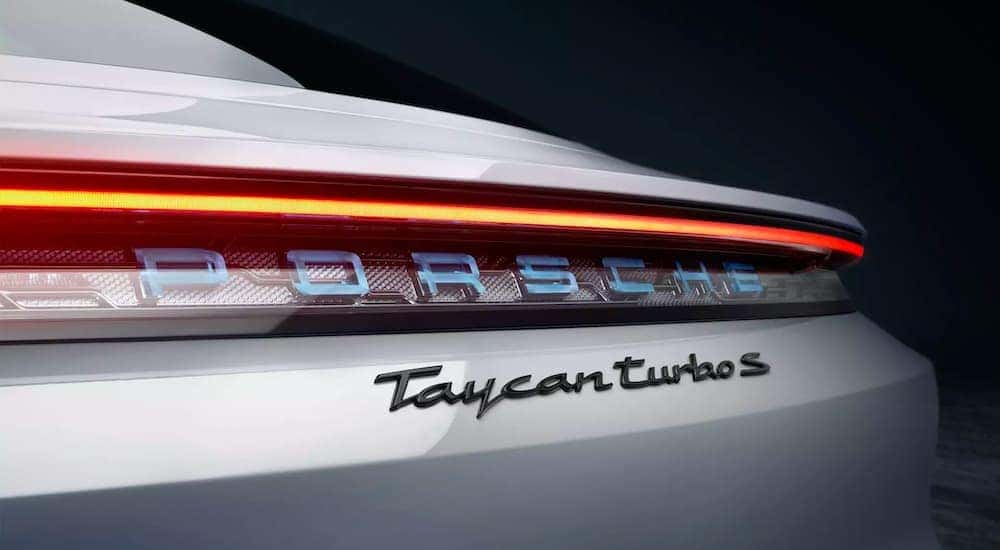
With an estimated range of over 250 miles on a single charge, the 2022 Bolt EV and Bolt EUV represent extremely capable vehicles that can travel further than several much more expensive options currently on the market. The $70,000 Jaguar I-Pace only has a range of 234 miles, and the $100,000 Porsche Taycan can only travel 227 miles on a single charge. Chevy already knows how to build reliable and long-range EVs and is perfectly positioned to take over the EV market.
Chevy Is Driving Into the Future
General Motors’ commitment to mass-producing all-electric vehicles is conveyed eloquently in a series of television commercials that end with the tagline “Everybody In,” a sentiment that is supported by the company’s reported $27 billion investment in electric and autonomous vehicle technology. Here at Coyle Chevrolet GMC, we can’t wait to see how the Chevy lineup evolves in the future, but for now, we’re content to welcome both the redesigned 2022 Chevy Bolt EV and the all-new 2022 Chevy Bolt EUV to our inventory. Both vehicles continue Chevy’s journey toward the lofty goal of an all-electric lineup that includes everything from high-performance sports cars to gritty off-roading trucks.

0 comment(s) so far on General Motors Commits to an All-Electric Fleet